Gion and the way to Kiyomizu-dera
Gion is a residential and working district in the east of central Kyoto, known for its teahouses and for the geiko and maiko who work there. It sits on the usual walking route to Kiyomizu-dera. Start at Shijo-Kawaramachi, pass Hanamikoji and Yasaka Shrine, and carry on up the hill to the temple.
Treat Gion as a place where people live. It is not a museum and not a stage set. Public streets are open to visitors, and the points below explain what is asked of you.
This is an independent guide, not a service of the city, the district or any teahouse. The rules below follow Kyoto's visitor guidelines of 2026.
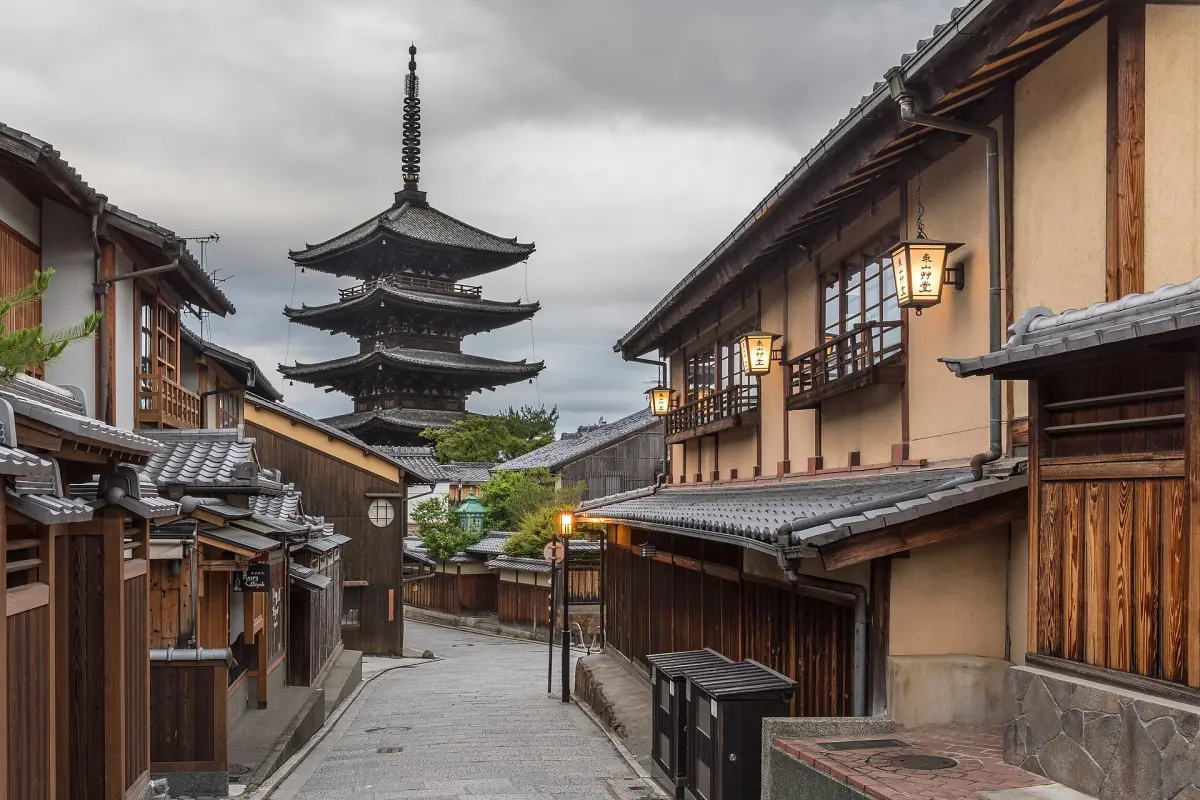
The rules for visitors in 2026
What Kyoto asks of you in Gion.
| Do | Do not |
|---|---|
| Walk on public streets and keep to one side | Block a street with a group |
| Ask before you photograph a person | Touch, follow or photograph a geiko or maiko without permission |
| Read the signs on small alleys | Enter private grounds or alleys marked as private |
| Wait your turn on narrow stretches | Treat residents or children as photo subjects without asking |
These points come from the visitor guidelines Kyoto published in October 2026. They repeat existing manners and are not a new ban.
Our picks: Gion tours
Guided walks through the district, with a reminder that private lanes are off limits.
Hand-picked tours, booked through GetYourGuide. Prices are indicative starting prices in US dollars (as of October 2026). Tap a tour for live availability and the current price in your currency.
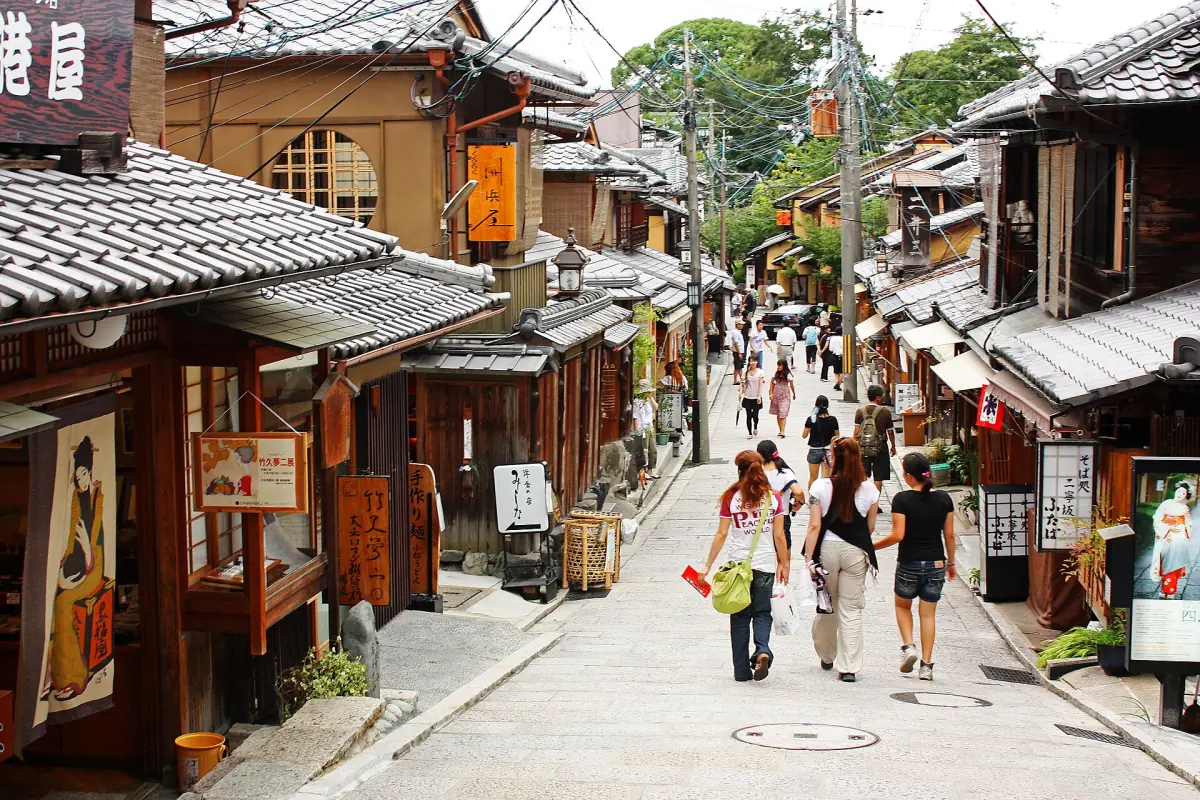
Kiyomizu-dera and Gion with a history teacher
Two hours with a former social-studies teacher, with historical background, a quiz and room for questions. Temple admission is extra.
Check availability →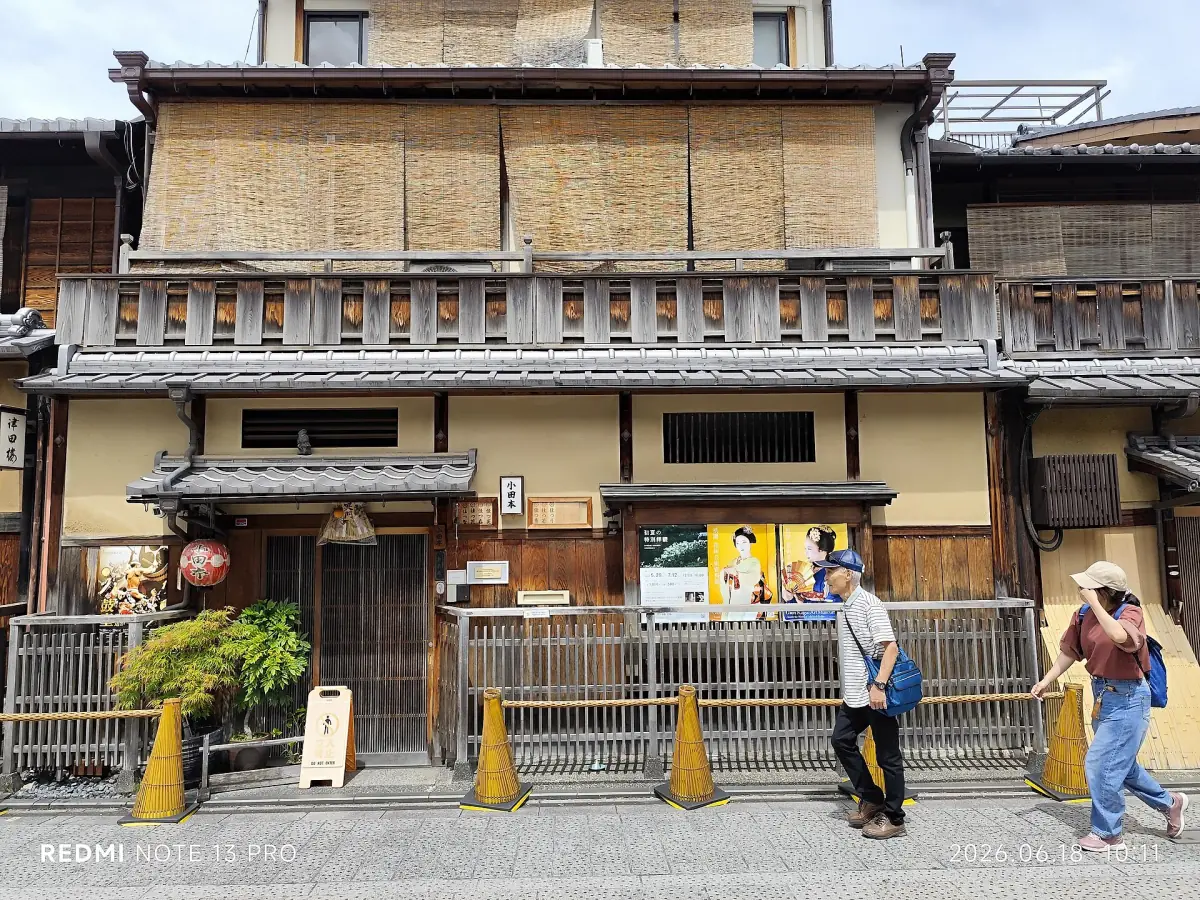
Evening walking tour through Gion
About 100 minutes through the district with a guide who also takes photos for you along the way.
Check availability →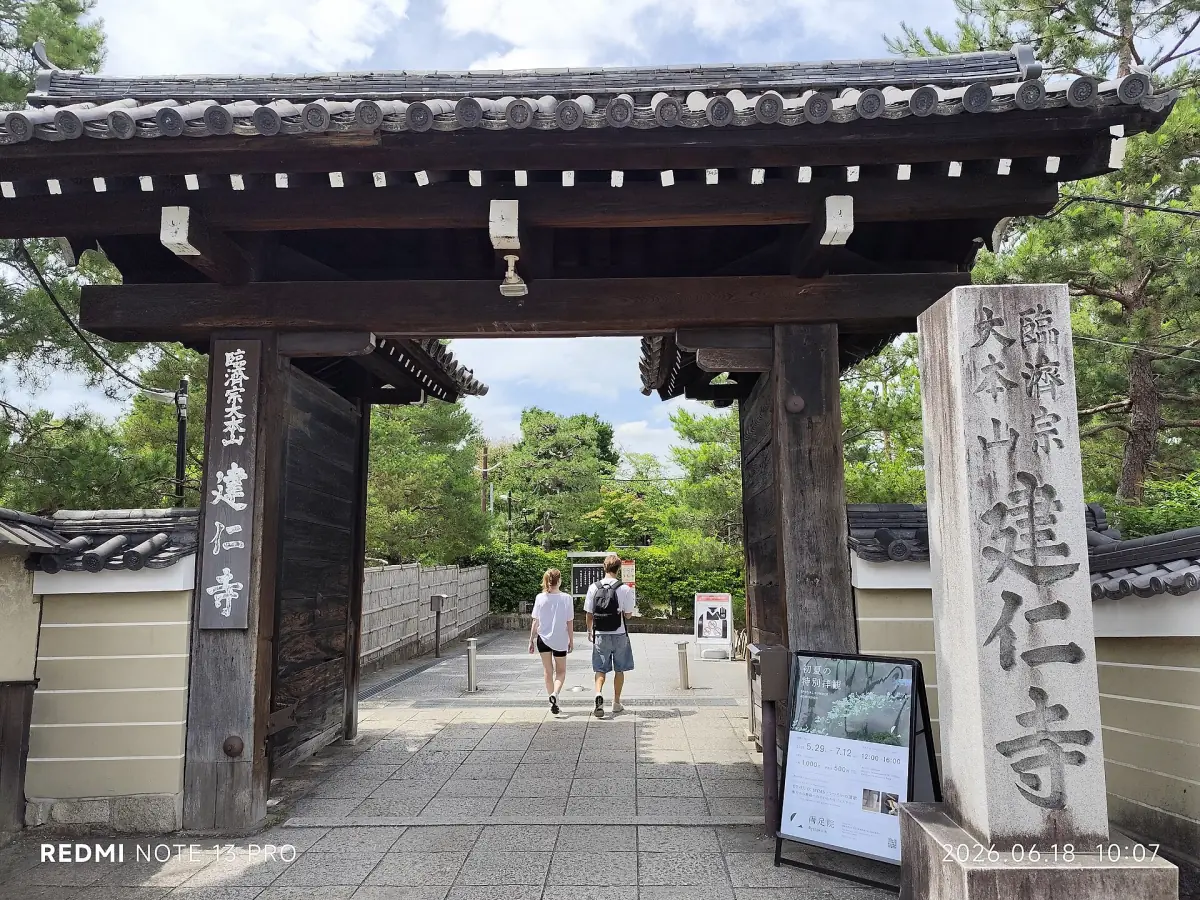
Gion district and hidden corners on foot
Two hours with a guide who helps with photos. You may spot a geiko or maiko, but a sighting is never guaranteed.
Check availability →Gion and Higashiyama walking tours
Guided evening and daytime walks through the district and up to the temple, with live prices and availability. Check whether temple entry is included.
Photos and private alleys
What is and is not restricted.
In 2024 it was announced that entry to certain private alleys in Gion would be barred, with signs naming a penalty of JPY 10,000. Public streets stayed open. There is no ban on Gion as a whole, and the signs mark specific private alleys. Follow the signs where you see them.
Hanamikoji is a public street, but that does not make every photo allowed. Do not read the open access as a general permission to photograph the street, its side paths, its buildings or the people in it. There is also no guaranteed meeting with a maiko or geiko, and you may not photograph them without asking.
A group should keep moving and leave space for residents. If the street is crowded, step into a side area or wait before you shoot.
From Gion up to the temple
The route in stages.
Shijo-Kawaramachi to Hanamikoji
The route starts at Shijo-Kawaramachi and leads into the district. It passes Hanamikoji, so keep the street rules in mind.
Yasaka Shrine
The route also passes Yasaka Shrine. It is a landmark on the way, and the walk continues up the hill from here.
Yasaka Pagoda and the lanes
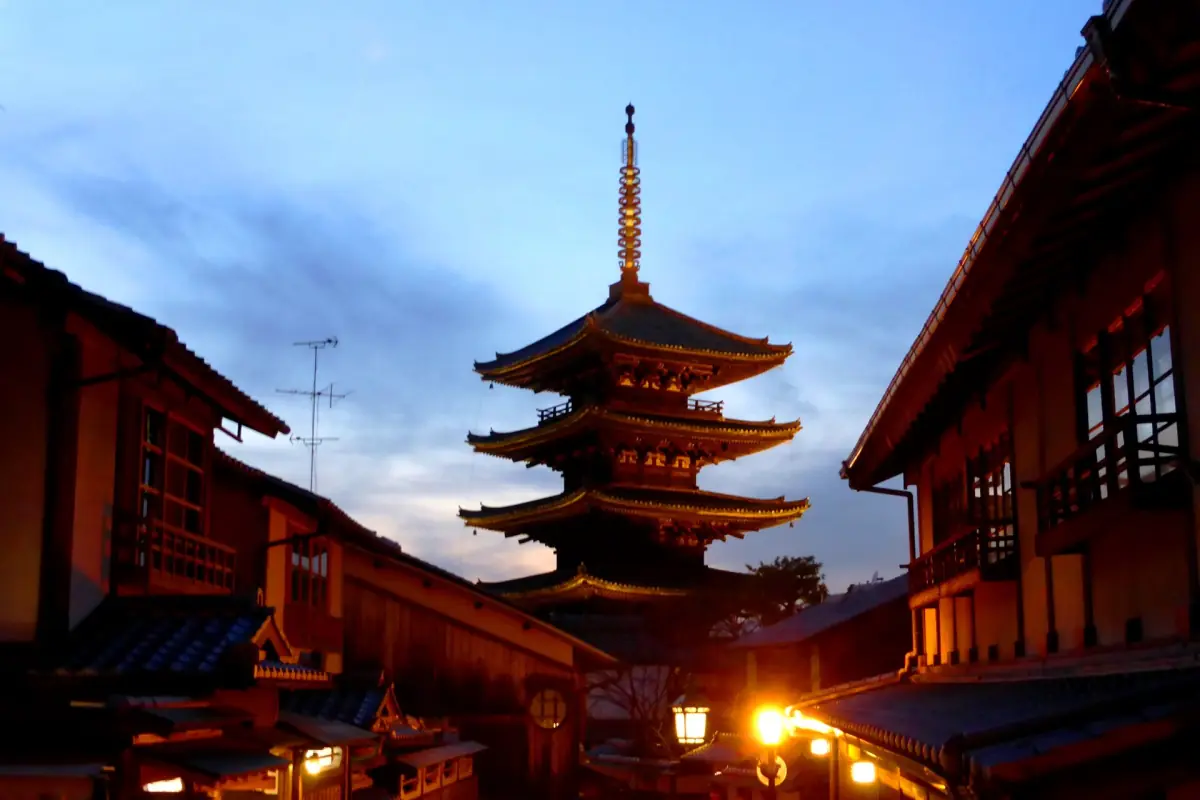
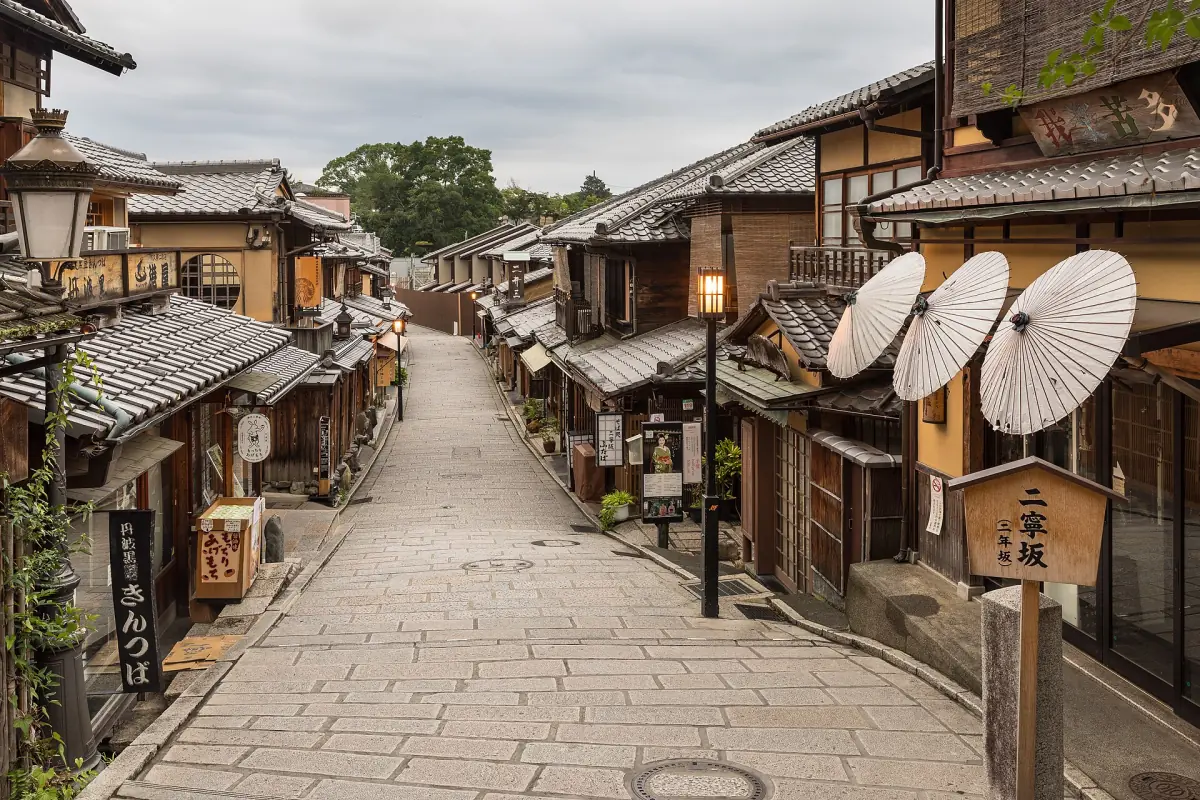
Beyond the shrine you reach the 46 m Yasaka Pagoda of Hokan-ji and the old lanes. See Sannenzaka and Ninenzaka for the details.
Kiyomizu-dera
The last stretch climbs to the temple. For how the visit works, see entry and opening hours and getting there.
Plan a day around Gion
Combine the district with the sights nearby.
Kimono rental in Kyoto
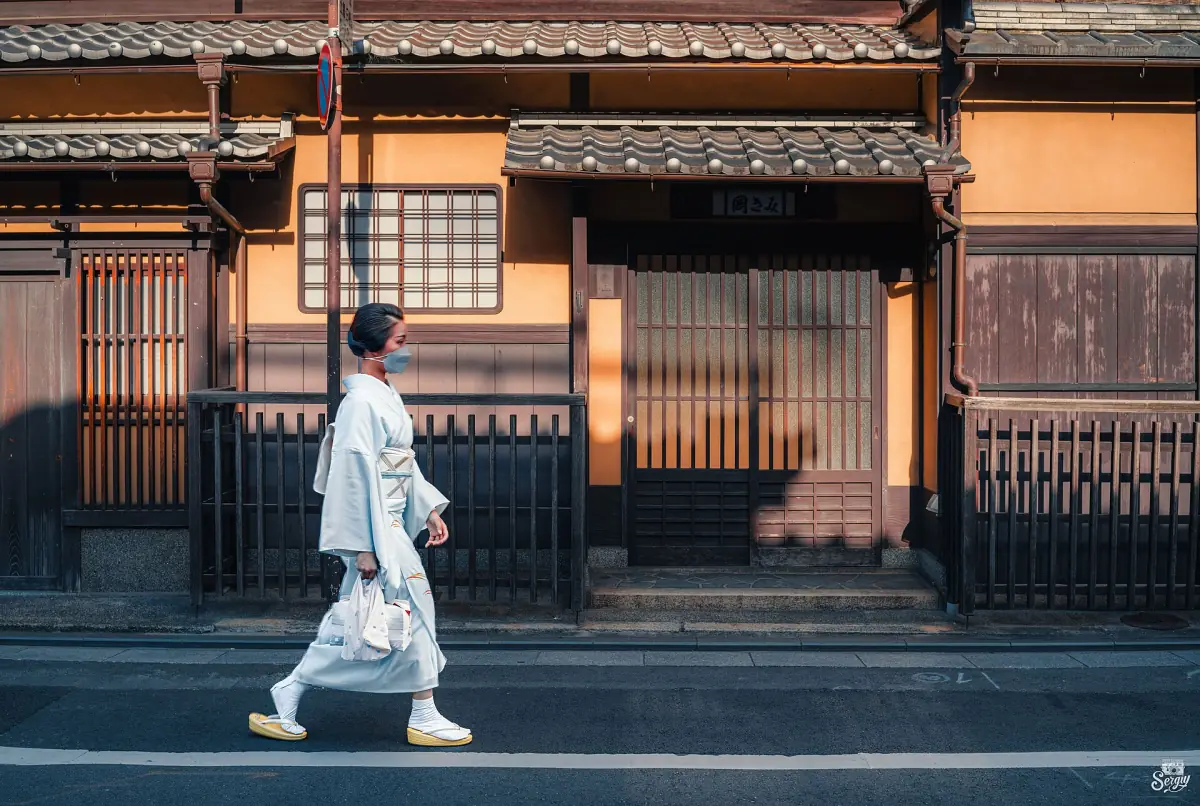
Prices, return rules and etiquette for a walk through the old streets.
Sannenzaka and Ninenzaka
The old stone lanes on the way up to the temple.
The temple at night
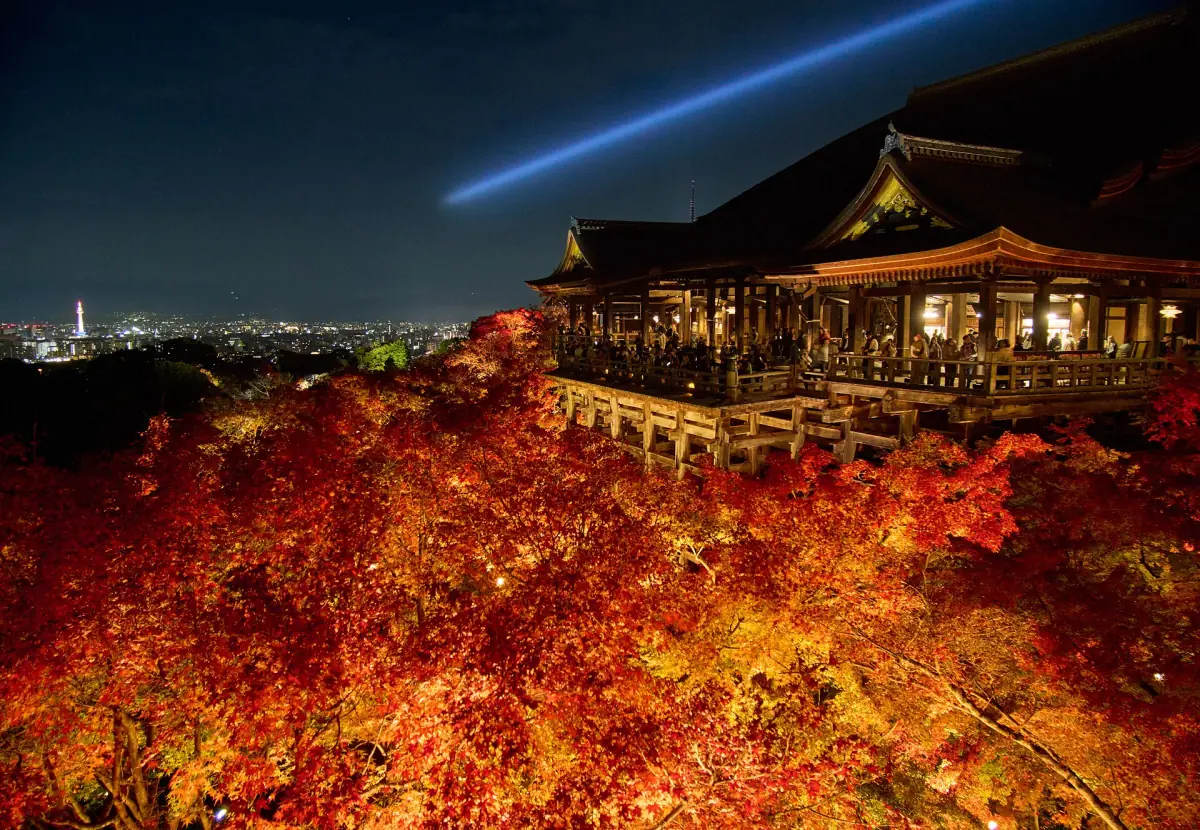
Evening openings in spring, summer and autumn 2026.
If you also want a shrine away from the old center, the independent guide to Fushimi Inari covers it in its own right.
Gion and the temple in one day
A simple order for the day.
Morning at the temple
The grounds open at 06:00 and close at 18:00 for most of the year. Adults pay JPY 500 and elementary and junior high school students pay JPY 200 (2026). Open hours begin early, so you can start the day at the temple.
Midday in the lanes
Walk down through the old lanes. From Higashiyama station the walk to the temple takes about 35 minutes without long stops, so allow time if you go the other way.
Kodai-ji
Entry is JPY 800 for adults from 1 April 2026. Hours are 09:00 to 17:30, last entry 17:00. It is a stop between the lanes and Gion.
Gion at the end
Finish in the district, so you are not rushing through it. A guided walk is one way to learn the streets, but a typical listing for Gion and Higashiyama does not include temple admission, so check what the price covers.
Gion: frequently asked questions
Is Gion closed to tourists?
No. Public streets are open to visitors. Entry is barred at certain private alleys, which are marked with signs, and private grounds are off limits.
Can I photograph geiko and maiko?
Only with permission. Do not touch or follow them, and do not block their way. A meeting is not guaranteed.
Is there a fine for taking photos in Gion?
Signs at some private alleys name a penalty of JPY 10,000 for entering. Do not assume a general rule for the whole district, and follow the signs where you see them.
How do I get from Gion to Kiyomizu-dera?
Walk from Shijo-Kawaramachi past Hanamikoji and Yasaka Shrine and up through the old lanes to the temple. Buses are an alternative, see the getting there page.
Can I visit Gion in a kimono?
Yes, many visitors do. The same rules apply: keep the street open and ask before you photograph people.